
Effective Strategies to Relieve Pain from Golfer's Elbow and Understand Its Causes

Golfer's elbow can cause sharp pain and discomfort on the inside of your elbow, making everyday tasks difficult. Understanding what golfer's elbow is and how to relieve its pain can help you regain comfort and function. This post explains the condition clearly and offers practical strategies to ease the pain and support healing.
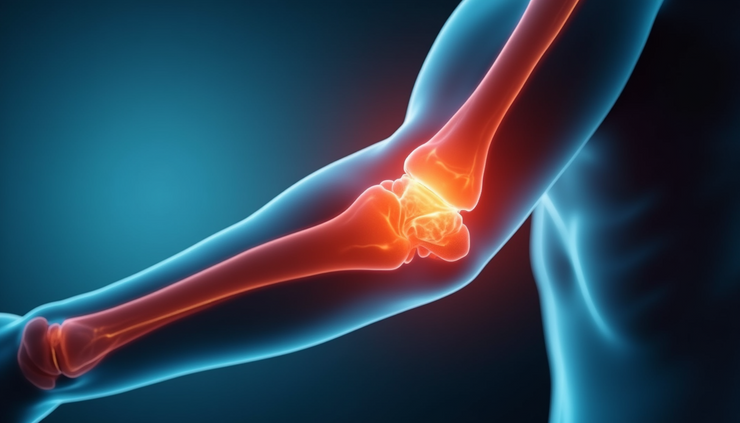
What Is Golfer's Elbow?
Golfer's elbow, medically known as medial epicondylitis, is a condition where the tendons that attach to the bony bump on the inside of your elbow become inflamed or irritated. Despite its name, you don’t have to play golf to develop this condition. It often results from repetitive motions that strain the muscles and tendons controlling wrist and finger movement.
How Golfer's Elbow Develops
The tendons on the inside of the elbow connect to muscles that help you bend your wrist and fingers. Repeated stress from activities like swinging a golf club, throwing, lifting, or even typing can cause tiny tears in these tendons. Over time, this leads to inflammation, pain, and tenderness.
Common Symptoms
Pain and tenderness on the inner side of the elbow
Stiffness in the elbow joint
Weakness in the hands and wrists
Numbness or tingling in the fingers (in some cases)
Pain usually worsens with wrist and hand movements, especially gripping or lifting objects.
How to Relieve Pain from Golfer's Elbow
Relieving pain from golfer's elbow involves reducing inflammation, resting the affected area, and gradually strengthening the muscles and tendons. Here are effective strategies you can try:
Rest and Activity Modification
Avoid activities that cause pain or strain on your elbow. This means taking breaks from repetitive motions like heavy lifting, gripping, or twisting. Rest allows the inflamed tendons to heal.
Ice Therapy
Applying ice to the painful area helps reduce inflammation and numb the pain. Use an ice pack wrapped in a cloth and apply it for 15 to 20 minutes every few hours during the first few days after pain starts.
Over-the-Counter Pain Relief
Nonsteroidal anti-inflammatory drugs (NSAIDs) like ibuprofen or naproxen can help reduce pain and swelling. Use these medications as directed and consult a healthcare provider if you have any concerns.
Stretching and Strengthening Exercises
Once the initial pain decreases, gentle stretching and strengthening exercises can improve flexibility and support tendon healing. Examples include:
Wrist flexor stretch: Extend your arm with the palm facing up, gently pull your fingers back with the other hand until you feel a stretch on the inside of your forearm.
Wrist curls: Using a light dumbbell or resistance band, slowly curl your wrist upward and downward to strengthen the muscles.
Perform these exercises slowly and stop if you feel pain.
Use of Braces or Supports
Wearing a counterforce brace or elbow strap can reduce strain on the tendons by distributing pressure away from the painful area. These devices are especially useful during activities that might aggravate symptoms.
Physical Therapy
A physical therapist can design a personalized program to improve strength, flexibility, and function. Therapy may include manual techniques, ultrasound, or other treatments to promote healing.
When to See a Doctor
If pain persists beyond a few weeks despite home care, or if you experience severe pain, swelling, or loss of motion, consult a healthcare professional. In some cases, more advanced treatments like corticosteroid injections or surgery may be necessary.
Preventing Golfer's Elbow
Preventing golfer's elbow involves reducing stress on the tendons and maintaining good muscle balance. Here are some tips:
Warm up properly before physical activity
Use proper technique in sports and repetitive tasks
Strengthen forearm muscles regularly
Take frequent breaks during repetitive work
Use ergonomic tools and equipment when possible
Everyday Tips to Manage Golfer's Elbow Pain
Avoid lifting heavy objects with your palm facing down
Use your whole arm, not just your wrist, when lifting or swinging
Apply ice after activities that cause discomfort
Maintain good posture to reduce strain on your arms


Comments